Decision Tools Beef Cattle Kansas State
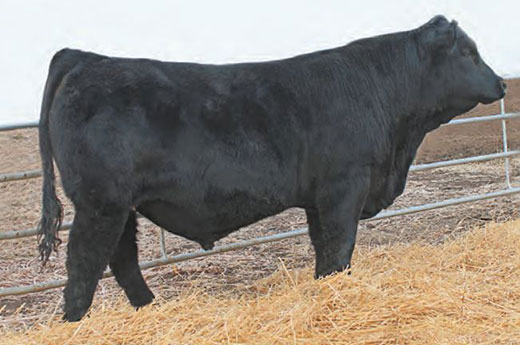
Calving Ease EPDs is one criterion for consideration when deciding heifer matings, say experts at Grand-Country's Beef Cattle Institute. | Download this photograph.
Balancing Calving Ease Priorities in Heifer Matings
Thou-State beef experts weigh factors in breeding decisions
January xiv, 2020
MANHATTAN, Kan. – 1 of the almost exciting times of the year on moo-cow/calf operations is when the calves are born and producers tin can come across the results of their breeding decisions.
Experts from the Beef Cattle Found at Kansas State University say it tin also be stressful and costly if those mating decisions lead to calving difficulties, which is why much care needs to be taken when planning those matings.
As bull ownership season approaches, selecting the right bull to match with the heifers was a discussion topic during a recent podcast with the team at the Beef Cattle Institute.
Beef extension specialist Bob Weaber advised producers begin past evaluating the blazon of breeding system they need to be successful. "Think most what types of bulls you are going to turn out on what groups of females to define what the calving ease need really is."
One evaluation tool that producers tin apply in making that decision are Expected Progeny Differences, or EPDs, which are the estimates of the genetic value of the parents to projection the calf's functioning. EPDs are estimated on a variety of traits amidst the beef breeds. The direct (CE or CED) and maternal calving ease (CEM or MCE) EPDs are often a consideration in heifer matings. The greater the number, the lower the gamble for calving difficulty, Weaber said.
Calving ease EPDs are expressed in percentage units of unassisted births. For example, a bull with a calving ease EPD of 12 is expected to have vii% more unassisted births from commencement dogie heifers than a bull with a CE EPD of five.
"Calving ease is one of the first things to think almost when selecting the types of bulls to breed heifers," said veterinary Bob Larson. However, he cautioned that producers shouldn't merely isolate their determination to that one criterion.
"Selecting for very loftier levels of calving ease will lead to lighter calf birthweights over time, and could atomic number 82 to dogie survival bug if taken to the extreme," Weaber said.
He cited an case: "A balderdash with a calving ease EPD of xx volition typically sire calves with a shorter gestation and lighter birthweight than a bull with a calving ease EPD of 7. But there are potentially other problems to think almost such as a light birthweight calf born in a snowstorm. The hypothermia issue is a much greater concern than the two assists a producer might accept with a less extreme EPD."
Speaking about Angus sires, Weaber said that bulls in the 7-9 range for calving ease EPD (breed average) matched with heifers will have an expected dystocia rate in the single digits. In other words, the risk for calving difficulty is low.
The experts agreed information technology is important for producers to discover a balance in the traits.
"A pocket-size breeder who is going to utilize the same balderdash on the heifers and mature cows shouldn't base the breeding conclusion solely on calving ease or they'll exist disappointed in the performance of the offspring from those matings," Weaber said, noting that when speaking about performance, he is referring to the growth traits in the calves.
If females born to get-go-calf heifers bred to calving ease sires will be retained in the herd, Larson and Weaber advised that cow/calf producers include the maternal calving ease EPD in their conclusion.
Another cistron to consider is the time of twelvemonth the calves will be born.
"Calves born in the summer or fall tend to be lighter calves than calves built-in in the winter due to the seasonality affect," Larson said.
Weaber encouraged producers to use all their mating evaluation tools when planning for the optimum herd performance.
He said: "There has been enough advancement with genomics and selection that we tin can have really adequate levels of calving ease with outstanding levels of performance. Don't immediately discount when buying a calving ease bull the performance of the calves coming from that mating. We can have both pieces today."
More data on this topic is bachelor on a weekly podcast produced by the Beef Cattle Found.
Source: https://www.ksre.k-state.edu/news/stories/2020/01/calving-ease-in-breeding-decisions.html
0 Response to "Decision Tools Beef Cattle Kansas State"
Publicar un comentario